How to make friends as an adult

Making friends as an adult can feel harder than it did when school or a shared schedule put you beside the same people every day. Now you may need to choose the setting, show up more than once, and turn a pleasant conversation into an invitation.
That process can be simple. Pick one recurring activity, have a short conversation with someone you see there, and follow up with one specific plan. You do not need to become more outgoing or make a large group of friends. Start by giving one possible connection another chance to happen.
This guide covers where to meet people, how to start a conversation, what to say when you want to meet again, and how to keep a friendship going. If you are looking for ideas about the broader area of relationships and communication, visit the Connection & Communication hub, the Self-Direction hub, and the Purpose & Meaning hub. For more reading, see what knowing yourself means and the strange comfort of being accurately understood.
Choose a recurring place to meet people
Look for an activity you would attend even if you did not meet a new friend right away. A weekly class, volunteer shift, walking group, sports league, book club, or neighbourhood event can bring the same people together more than once.
Choose one activity based on practical questions:
- Can I get there without making the rest of the day difficult?
- Does it happen often enough for me to see familiar people again?
- Would I enjoy the activity even if I only talked to one person?
- Is the cost and time commitment workable for the next month?
Try the same place for three or four sessions before deciding it is not for you. Familiarity can make the next conversation easier. You might recognise someone, remember what they mentioned last time, or have a shared topic to return to.
If a group is not a good fit, choose another. You are testing a setting, not making a permanent commitment. A smaller meetup or a one-time event may suit you better than a large group.
Start with a short conversation
You do not need an original opening line. Ask about the activity you are both doing or refer to something the person mentioned. Keep the first exchange short enough that either of you can return to the group.
Examples:
- "Have you been coming to this class for long?"
- "How did you get interested in this kind of volunteering?"
- "You mentioned a new project last week. How is it going?"
- "I have not tried that route before. Would you recommend it?"
Listen to the answer and ask one follow-up if the conversation has room. Share a little about yourself too. A conversation can become uncomfortable if one person asks all the questions or gives a long introduction before the other person has settled in.
Pay attention to whether the other person seems interested in continuing. They may be busy, tired, or focused on the activity. A short conversation that ends politely is still a useful first contact. You can say hello another time without treating the first exchange as a decision about the whole friendship.
Make an invitation specific and easy to answer
If you have spoken a few times and want to meet outside the activity, suggest a simple plan. Be clear about what, when, and roughly how long. "We should hang out sometime" asks the other person to invent the plan. "Would you like to get tea after class next Thursday?" gives them something to accept or decline.
Try:
- "I am going to the Saturday market after the class. Want to walk around together for half an hour?"
- "Would you like to get lunch near work next week? I am free Wednesday or Friday."
- "I enjoyed talking about books. Want to meet at the library event next month?"
Keep the first plan modest. A short coffee or walk is easier to fit into a busy week than an elaborate evening. If they cannot make the time but suggest another one, follow that opening. If they decline without suggesting a next time, accept the answer and keep the interaction friendly.
You can invite someone through a short message if you already exchanged contact details. Include a reminder of where you met so they know who is writing. For example: "Hi, this is Dev from the Thursday pottery class. I liked hearing about your garden. Would you like to get coffee after class next week?"
Ask existing friends for introductions
You may already know someone who can connect you with another person. Ask a friend to bring you along to a group activity or introduce you to someone who shares an interest. Make the request easy to answer: "I want to find a weekend hiking group. Do you know anyone who goes regularly?"
An introduction does not create an obligation. Treat it as a chance to meet. If you connect, follow up yourself instead of asking the mutual friend to arrange every plan. That helps the new relationship become its own connection.
You can also widen an existing friendship by inviting one person to an activity you already do. A recurring walk, lunch break, or shared hobby can create regular time together without needing a new group.
Keep a friendship going with small follow-ups
After you meet, send a message that refers to something specific from the conversation. "I tried the recipe you mentioned" or "I found the book you recommended" gives the other person a real thread to pick up.
Do not wait for a perfect reason to reach out. A short message can say you enjoyed the time and suggest another plan. If you agreed to share an article, send it. If they mentioned a big event coming up, ask how it went afterward.
Friendship often depends on repeated small choices. You might:
- Send one message a week to someone you want to know better.
- Keep a note of a detail they shared, such as a project or an upcoming trip.
- Suggest a recurring lunch or walk if the first few meetings go well.
- Reply when they reach out, even if your answer is short.
- Be clear when you cannot make a plan and offer another time if you want to meet.
Choose a pace that feels manageable. If you are the only one initiating after several attempts, give the other person space and put your attention elsewhere. A friendship should not depend on you doing all the work.
If you are returning to friendship after a busy period
You may have people in your life you would like to see more often. Start with a direct note rather than waiting until you have a perfect update. "I have been thinking of you. Would you be free for a walk next weekend?" is enough.
If you left a message unanswered, acknowledge it without over-explaining: "I am sorry I missed this. I would still like to catch up if you are free next week." The other person may be busy or may not respond. You can make the invitation and let them decide.
When you meet, ask about something that matters to them and share something from your own life. You do not have to cover every missed month. Begin where you are now and make another plan if both of you want one.
What if conversations feel difficult?
You can prepare two topics before attending an event: one question about the activity and one thing you can share about yourself. For example, ask how someone chose a class, then mention what made you sign up. This gives you a starting point without scripting the whole conversation.
If you prefer smaller settings, arrive early or choose an activity with a shared task. It can be easier to talk while setting up chairs, preparing food, or working on a project than to enter a room where everyone is already chatting.
If the issue is that you feel alone even when other people are around, the guide to feeling alone covers that different experience. This article focuses on building new adult friendships through repeated contact and clear invitations.
Make one plan for this week
Pick a single action from this guide. Find one recurring activity and register, ask a friend for an introduction, or message someone you already know. Write the date and the words you plan to use. Keep the action small enough to complete without reorganising your month.
Afterward, note what happened. Did the setting make conversation easier? Did the invitation fit the other person's schedule? Use that information for the next attempt. One declined invitation does not tell you that you cannot make friends. It tells you that this person or time was not a match.
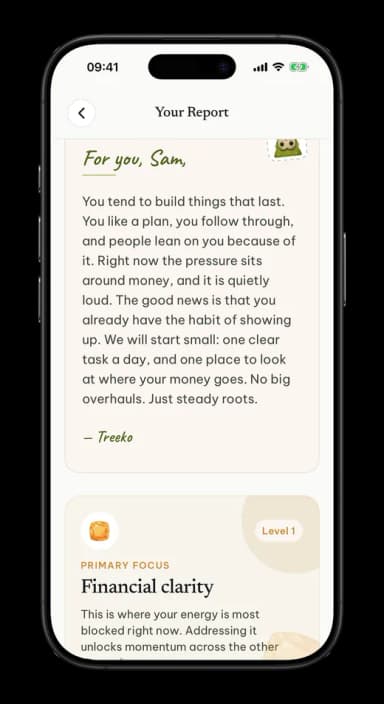
Rooted's Connection & Communication area helps you consider the relationships you want to make room for. A short assessment gives you a report across six areas and one small daily task. Take the free test if you want a guided place to start.
Frequently asked questions
How often should I attend a group before deciding?
Try a few sessions if the activity is workable. Seeing familiar people more than once gives you a better sense of the group than one visit does.
What if someone says no to an invitation?
Accept the answer without pressing. If they offer another time, follow up. If not, continue to be friendly when you see them and make room to meet other people.
Is it too late to make friends as an adult?
No. Adults meet through work, interests, neighbours, volunteering, and introductions. It may take more deliberate planning than a shared school schedule, but you can create repeated opportunities to connect.
What if I already have friends but want to feel closer?
Choose one person and make a specific plan. Ask about something important to them, share something real about your own week, and follow up after you meet.
See which of your six roots needs attention. Take the free self-assessment in the Rooted app.