
Moving back home can be a practical chapter while you decide what you want next.
Moving back home at 30? Rooted's free assessment helps you reflect on independence, priorities and relationships in 15 minutes.
Returning to your parents' home as an adult can bring practical relief and complicated feelings at the same time. You may appreciate the support while worrying about privacy, independence or what other people will assume. The move does not erase the life you built before it. It changes your surroundings and may require new agreements about everyday routines. A clear conversation can help everyone understand how this arrangement works. Rooted's free self-assessment provides a written report across six roots, including Self-Direction and Connection & Communication, so you can reflect on your priorities while you plan the next stage at a realistic pace. A temporary arrangement can still benefit from clear expectations and a sense of contribution. Discuss what each person needs for privacy and shared household responsibilities. If you have a plan for reviewing the setup, agree when to revisit it. This makes the situation easier to navigate while allowing room for work, finances or family needs to change. You can also use this time to clarify which parts of adult life you want to manage independently and where shared support makes sense. That distinction can guide a conversation without turning your living arrangement into a judgement about your progress.
What Rooted reveals
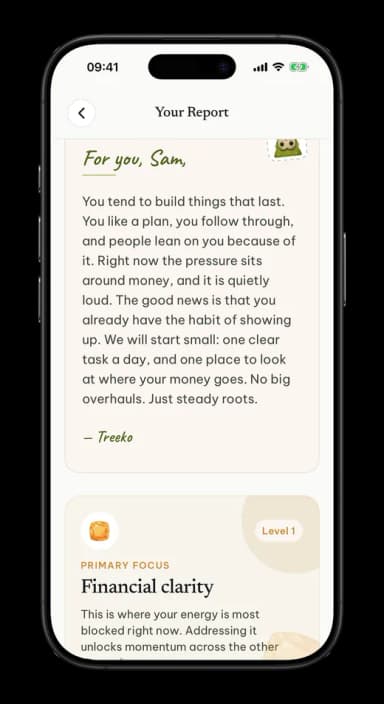
Your identity report scores you across 6 roots. Each one shows you something specific about where you stand right now, not where you think you should be.






See which of your six roots needs attention. Take the free self-assessment in the Rooted app.

“When my strengths were presented I felt a sense of worth within me.”
From the Rooted founding cohort
You might also recognise this
Frequently asked questions about moving back home with parents at 30
Is it a failure to move back in with my parents at 30?
No. People return home for many reasons, including finances, caregiving, work changes or a need to regroup. The address alone does not measure your maturity or progress. It may help to identify what this arrangement makes possible and what you want to work toward while you are there, using goals that fit your circumstances.
How do I set boundaries when living with my parents again?
Talk about specific routines: privacy, guests, chores, shared costs and how you will communicate plans. Agreeing on practical expectations can reduce friction and make the home feel more workable for everyone. You can appreciate support and still ask to be treated as an adult. Revisit the arrangement if circumstances change.
How can I feel independent while living at home?
Independence includes making decisions and taking responsibility, not only having a separate address. Keep ownership of your schedule, finances and next steps where possible. It can also help to agree on a timeline for reviewing the arrangement, without pretending you can predict every detail in advance.
How do I decide what comes after moving back home?
Separate immediate needs from longer-term preferences. Rooted's free self-assessment takes 15 minutes and gives you a written report across six roots. It can help you reflect on direction, money, relationships and other priorities, then choose one practical step to explore while recognising the support this chapter provides.
Your profile is free and instant
15 minutes. A personal identity report written in your own words: your strengths, your gaps, and the one thing holding you back most.
See which of your six roots needs attention. Take the free self-assessment in the Rooted app.